Writer: Jeong Seung-ho, Seoul Dalbit Guesthouse
Editor: ONDA Manager Somora
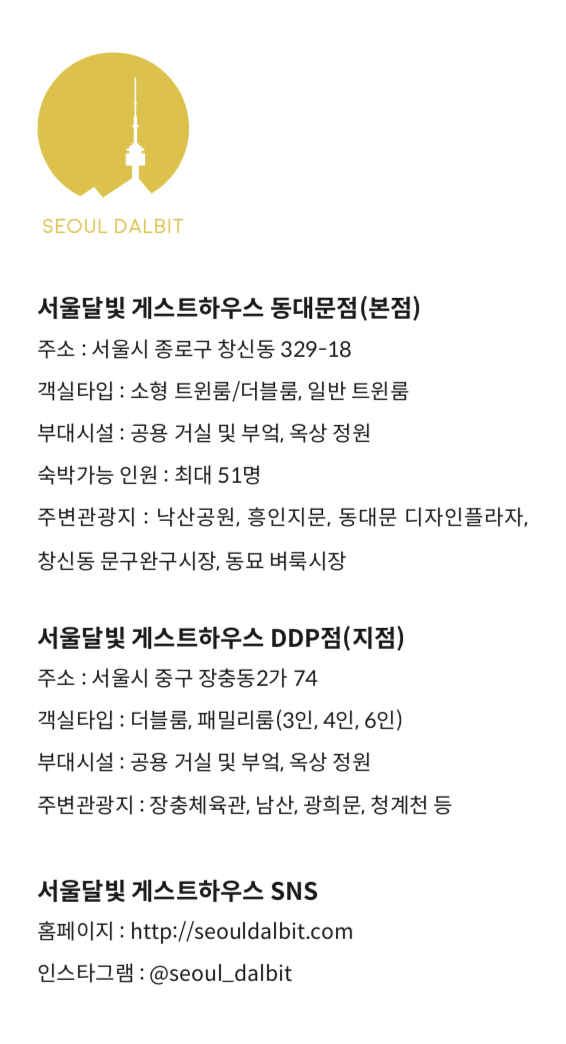
Seoul Dalbit Guesthouse Dongdaemun (Main)
Address: 329-18 Changsin-dong, Jongno-gu, Seoul
Room types: Small twin, small double, standard twin
Facilities: Shared lounge and kitchen, rooftop garden
Nearby: Naksan Park, Heunginjimun Gate, DDP, Changsin-dong stationery market, Dongmyo flea market
Seoul Dalbit Guesthouse DDP (Branch)
Address: 74 Jangchung-dong 2-ga, Jung-gu, Seoul
Room types: Double, family rooms (3-, 4-, 6-person)
Facilities: Shared lounge and kitchen, rooftop garden
Nearby: Jangchung Arena, Namsan, Gwanghuimun Gate, Cheonggyecheon Stream
Seoul Dalbit Guesthouse SNS
Website: http://seouldalbit.com
Instagram: @seoul_dalbit
05. Shaping the Plan
— Sketching out an actual business

Photo by Patrick Perkins on Unsplash
I'd seen the opportunity in Dongdaemun with my own eyes. The field was set: guesthouse business. But even as conviction grew, one massive problem remained…
Neither a salaryman nor a college student had ever run a business before. We had ideas — but zero clue where to start.
Questions spiraled.
Just because something's profitable, do we jump in?
Can we actually do this without experience?
What will it cost?
How do we manage day-to-day operations?
My friend's traveled the world, but I've barely left the country — can I really understand what travelers need?
Then, while racking my brain, one word surfaced.
Homesharing.
Hosts share their homes — or spare spaces — with travelers for a nightly fee. All you need is usable space and an account on a homesharing platform. It's the ultimate democratization of hospitality.
Back in 2015 it was still a novelty in Korea. But blogs and social feeds were buzzing about the sharing economy — homesharing, Uber, SOCAR. The promise was clear: you didn't need a big property portfolio. One spare room, one account, and you could run a hospitality business. For two broke, inexperienced guys, homesharing was the perfect launchpad.
We started mapping it out. What space could we offer travelers? My studio near Dongdaemun had the right location — but it was tiny. My friend's place was out in Gangseo, too far from tourist zones. So: rent a place in a high-traffic neighborhood, list it on a homesharing platform.
Every business needs permits. We dug into the law and found it: "foreign-tourist-only urban homestay," a category designed for small-scale B&Bs and homestays. Not hotels. Not hostels. Perfect. [Ministry of Culture guide here] <Photo 1>
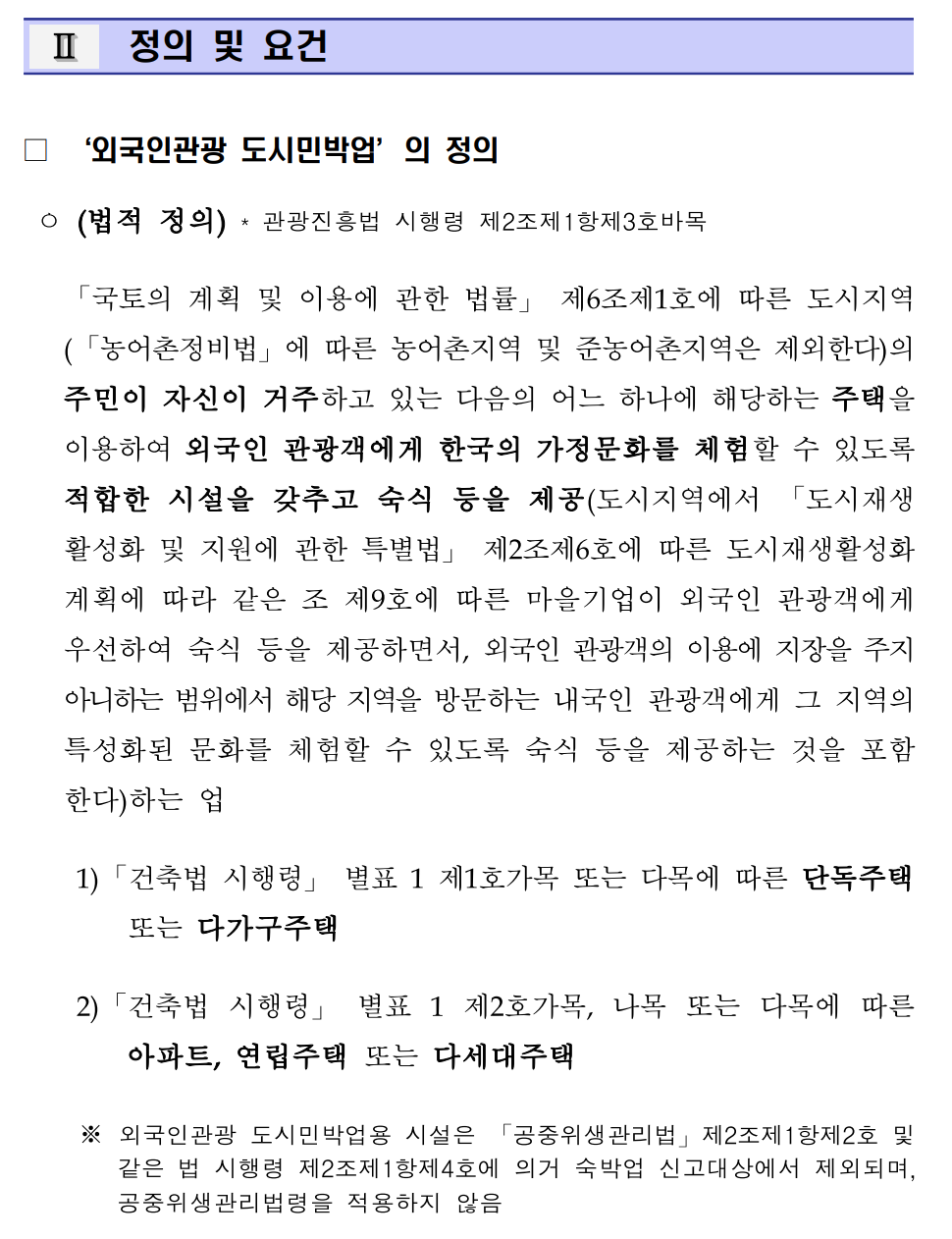
Photo 1. Definition of "foreign-tourist urban homestay" (Source: Ministry of Culture processing guidelines, 2016)
This permit applies to standalone homes, multi-family houses, apartments, and townhouses. It's [illegal] to operate in officetels or commercial spaces (including goshiwons). Side note: as of 2019, most homesharing listings in Seoul officetels or residences are unlicensed and operating illegally.
Our conclusion crystallized: get a permit-eligible property, open a homesharing rental. Tactical details — where, how — we'd sort out later.
From "let's do something with tourists" — a vague daydream —
to seeing the market firsthand, collecting real data,
to "rent a property in a tourist zone and run a legal urban homestay."
The idea had gone from abstract to actionable.
After parting with my friend, I sat with the implications. Renting a property meant a deposit in the tens of millions of won. Then interior, furnishings, operating costs during ramp-up. Big money. More than two broke guys — one in school, one at a desk job — could swing alone. Better to bring in more people. Pool capital. Split responsibilities. Each person contributes a defined percentage — time, money, effort. (Spoiler: this utopian division of labor never works cleanly in practice.)
That logic led me to start pitching the plan to anyone who might be interested. I told everyone. We're starting a small business. Tourist demand is real — I saw it myself, even in my faraway studio. The market research checked out. Legal pathways exist. Small-scale entry is possible.
It was just a rough sketch, delivered verbally. But talking about it did two things:
- It attracted interest.
- It forced me to clarify my own thinking. Each conversation sharpened the plan. My commitment hardened.
After circling through three or four friend groups, I got a hit. A friend said, "I'm not in — but I know someone you should meet. A junior from my university. He's been running a homesharing rental near Seoul Station since 2014. Super successful. And now he's planning to scale up — open a real guesthouse."
Coincidence? Fate? Either way, the stakes suddenly felt higher. This wasn't just a side hustle anymore. But what did I have to lose from one meeting?
We set a date.
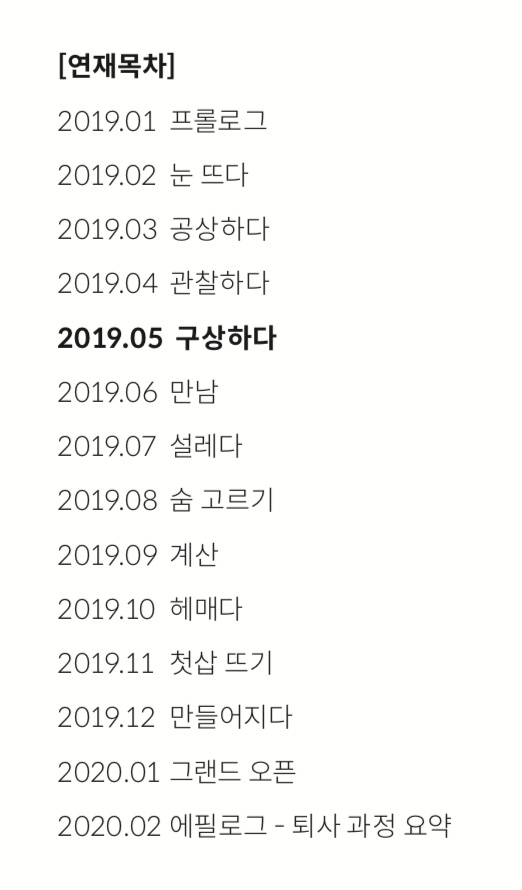
[Series Index]
2019.01 Prologue
2019.02 Eyes Open
2019.03 Daydreaming
2019.04 Observing
2019.05 Shaping the Plan
2019.06 The Meeting
2019.07 Excitement
2019.08 Catching My Breath
2019.09 The Numbers
2019.10 Lost in the Weeds
2019.11 Breaking Ground
2019.12 Taking Shape
2020.01 Grand Opening
2020.02 Epilogue — How I Quit My Job