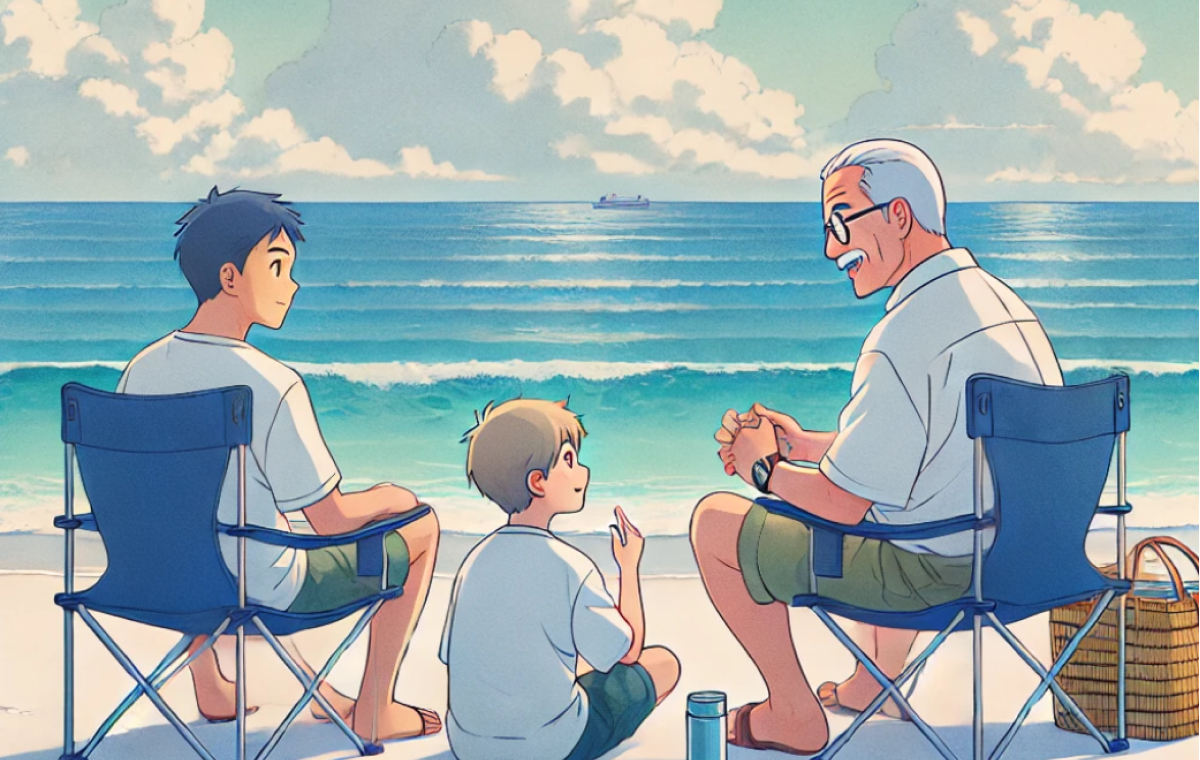
Hope everyone's made it back to work after the long Chuseok holiday without too much jet lag. I'm still dragging a little. Wishing you all a smooth transition back to the daily grind.
Chuseok used to mean heading home to visit relatives. These days, it also means multigenerational family trips are exploding. A travel platform just released research on trips spanning grandparents to grandkids — what they call "generational voyage travel." Let's dig in.
Why travel together? Because we're family
According to the study, 43% of Korean respondents say the biggest perk of multigenerational travel is "building lasting memories and deepening family bonds." Another 40% cite "reconnecting with relatives we rarely see."
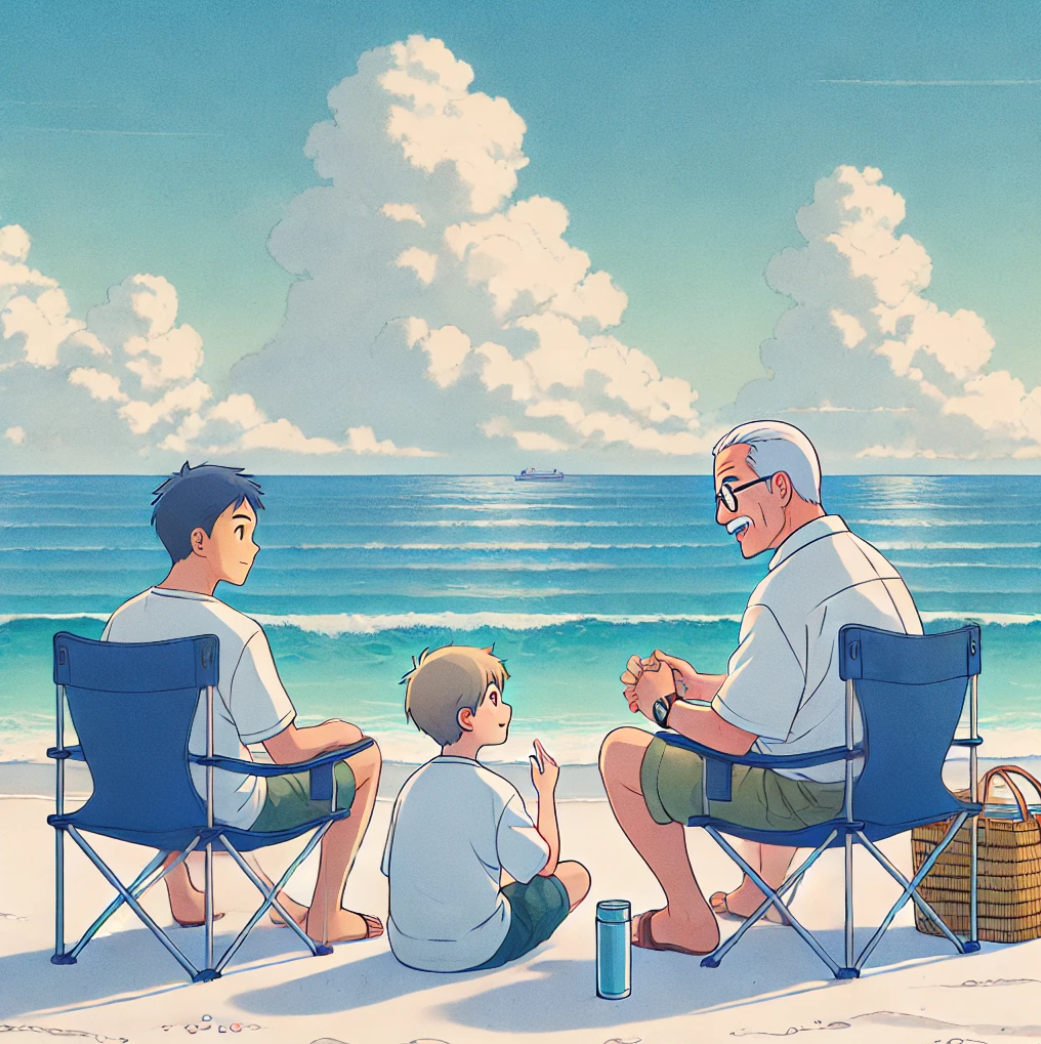
The sweet spot for trip length? Four to six days. As for lodging, 56% prefer hotels and 44% prefer resorts — both figures higher than the Asia-Pacific average.
Makes sense. When you've got a big group moving together, you want seamless hospitality: easy meals, low logistics friction. Hotels and resorts deliver that.
But it's not all smooth sailing. The survey also surfaced pain points: "health and safety concerns" (22%), "varied dietary needs" (20%), and "conflicting expectations" (16%).
Anyone who's played mediator on a family trip knows the drill. I have thoughts. I'll keep them to myself. 😅
So is this trend actually growing in Korea? Data from the Korea Tourism Organization shows that between April–May 2022 and 2023, social media mentions of "3-generation travel" jumped 35.5%. Mentions of "filial piety trips" surged 53.5%.
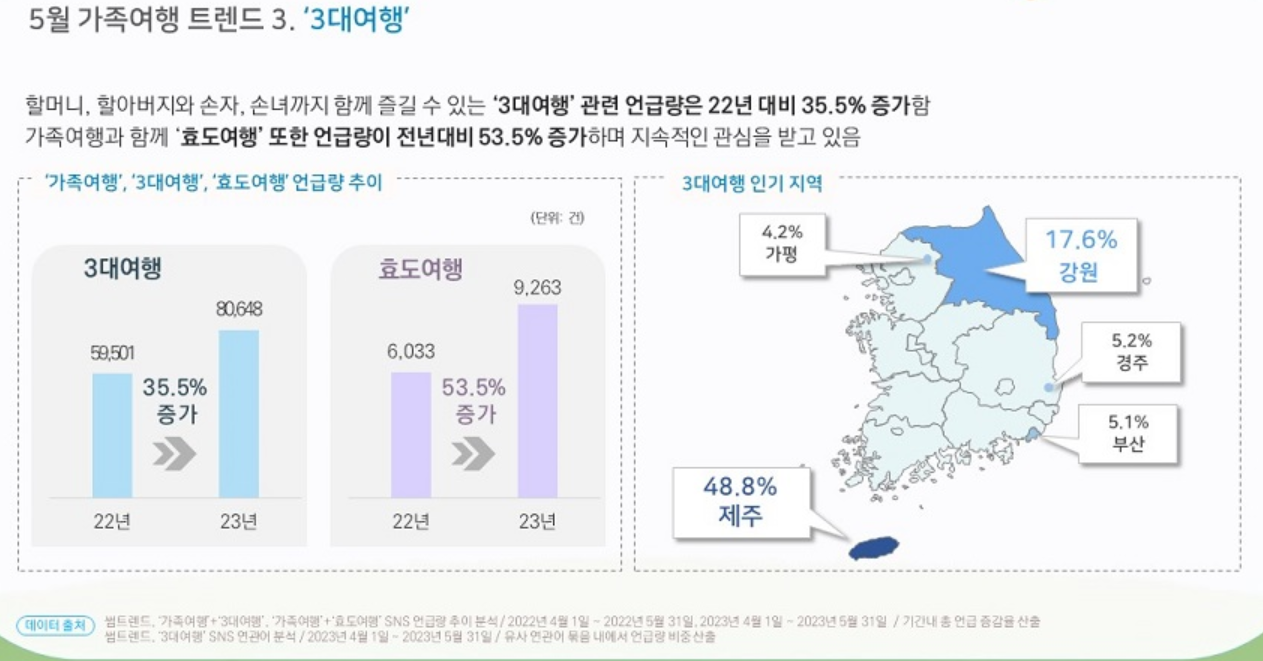
And where are these families going? The same platform's data shows the domestic destinations with the biggest year-over-year search spikes (2023 vs. 2024) include Suncheon, Ulsan, Changwon, Goyang, Jeju Sehwa-ri, Gunsan, Suwon, Bucheon, Uljin, and Sokcho. Most are coastal. Beaches still reign supreme for family getaways.
I almost wrapped here, but then wondered: what about the opposite trend — solo travel? Turns out one in ten Korean travelers now books solo trips.
Solo travel skips the coordination headaches. No compromising on dates. No guilt about pivoting plans mid-trip. New terms are cropping up: hon-camping (solo camping), hon-hiking, hon-cation (solo staycation).
Family trips are growing. Solo trips are growing. The hospitality industry has to serve both — and everything in between. That's the challenge.